TPO Roofing decisions in Pinellas County require more than a quick visual opinion. Florida heat, ultraviolet exposure, wind-driven rain, salt air, drainage, roof geometry, prior repairs and deck condition can all change the right scope.
Why this roofing topic matters in Pinellas County
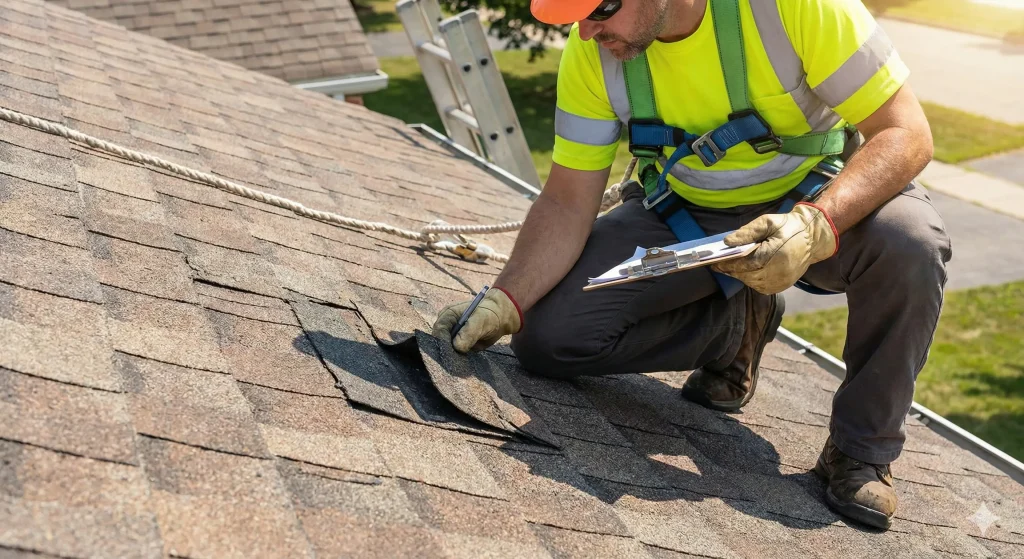
Roofing performance is a system outcome. The visible covering—shingle, tile, metal or membrane—is only one layer. Underlayment, flashing, edge metal, penetrations, ventilation, drainage and the structural roof deck must work together. A focused inspection should identify the source of a problem, the extent of affected materials and whether a targeted repair can reasonably restore performance.
Property owners should also distinguish between routine deterioration, installation defects, isolated damage and sudden storm-related conditions. That distinction affects repair planning, documentation and any conversation with an insurer. A contractor can document observed conditions and scope repairs, but coverage decisions remain with the insurance carrier and policy terms.
A professional inspection should evaluate
Matching the system to the property
Asphalt shingles remain a common residential solution because they balance appearance, availability and installed cost. Metal systems can provide long service life and a distinctive architectural profile when detailing and fastening are correct. Clay and concrete tile create a premium Florida aesthetic but require careful evaluation of weight, flashing and replacement compatibility. TPO, PVC, EPDM and modified-bitumen assemblies are common on low-slope and commercial roofs where seam quality, drainage and penetration detailing are critical.
The best selection is not automatically the most expensive product. It is the assembly that fits the building, exposure, slope, maintenance expectations, budget and installation conditions. Manufacturer instructions and Florida product approvals should be reviewed before final selection.
What influences scope, schedule and cost
- Roof size, slope, height and access conditions
- Number of layers and required tear-off or disposal
- Deck replacement, structural repairs or moisture damage
- Material type, profile, color and availability
- Flashing complexity, penetrations and edge conditions
- Permit requirements, inspections and engineering when applicable
- Occupied-building coordination and weather protection
- Warranty level and manufacturer installation requirements
A strong proposal should define inclusions, exclusions, allowances, material specifications, cleanup, permit responsibility, payment milestones and warranty terms. Avoid selecting a contractor based only on a single bottom-line number when the scopes are not equivalent.
Request a photo-documented inspection and a written scope that separates urgent repairs, preventive maintenance and long-term replacement considerations.
Schedule an inspection →Authoritative roofing and product resources
These external resources can help property owners verify products, installation guidance, code information and manufacturer documentation. External links are educational references and do not imply endorsement, certification or partnership.
Frequently asked questions
Can a roof be repaired instead of replaced?
Often, yes. The answer depends on roof age, extent of damage, material availability, deck condition and whether a repair can be integrated without creating new vulnerabilities.
How quickly should a leak be inspected?
As soon as practical. Even a small active leak can affect insulation, finishes, decking and indoor conditions. Temporary protection may be appropriate until permanent work is completed.
Does a contractor decide insurance coverage?
No. A roofing contractor can inspect, photograph and describe conditions. The insurer interprets the policy and makes coverage decisions.
What should I verify before signing?
Confirm licensing, insurance, scope details, permit responsibility, product specifications, payment schedule, cleanup, warranty and change-order procedures.